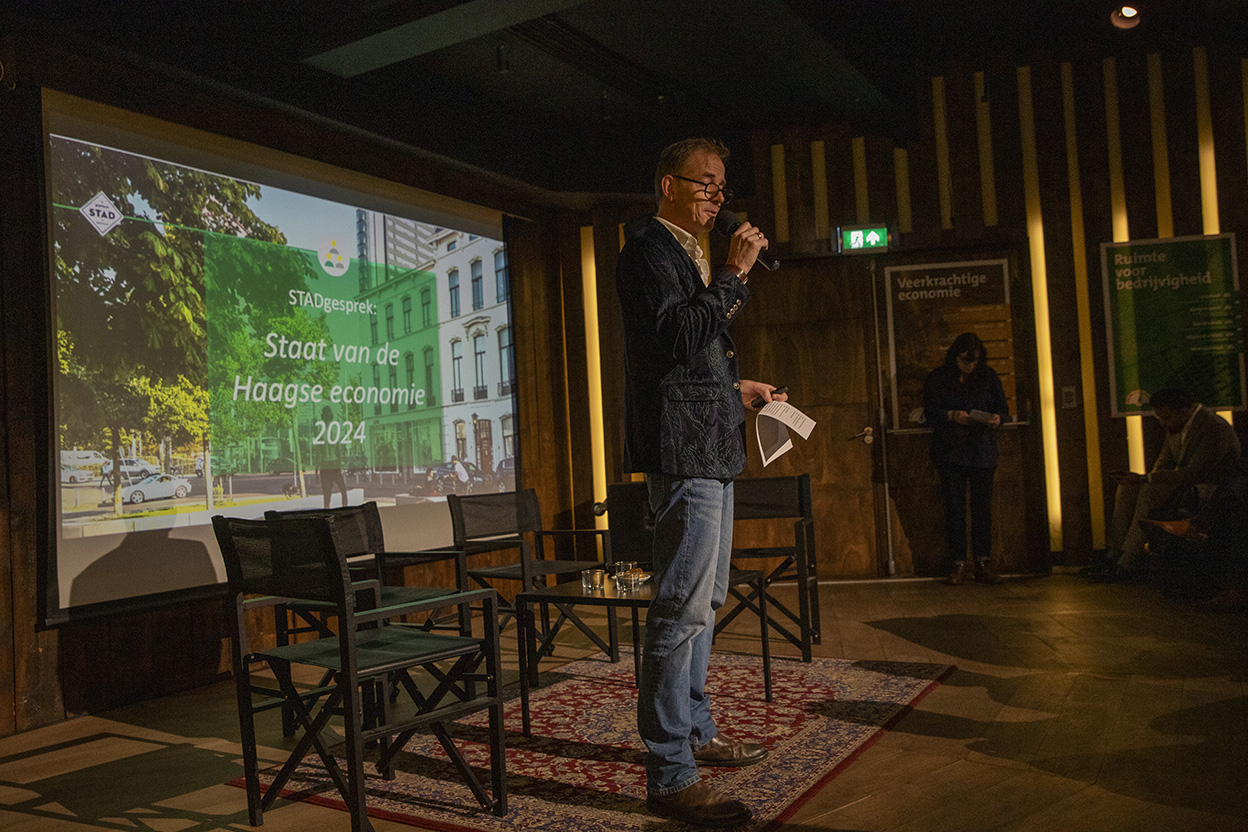
Each year, the Municipality of The Hague commissions an independent monitoring report, the State of The Hague’s Economy, prepared by a team of researchers and academics. The fifth edition of the report shows that The Hague’s economy experienced stronger growth in 2024 than the Dutch average. For the coming years, further increases in earning capacity, population numbers and employment are also expected. This year’s research team included contributors from Erasmus University and VU Amsterdam.
A few interesting conclusions from the State of The Hague’s Economy 2024
The full report can be read here.
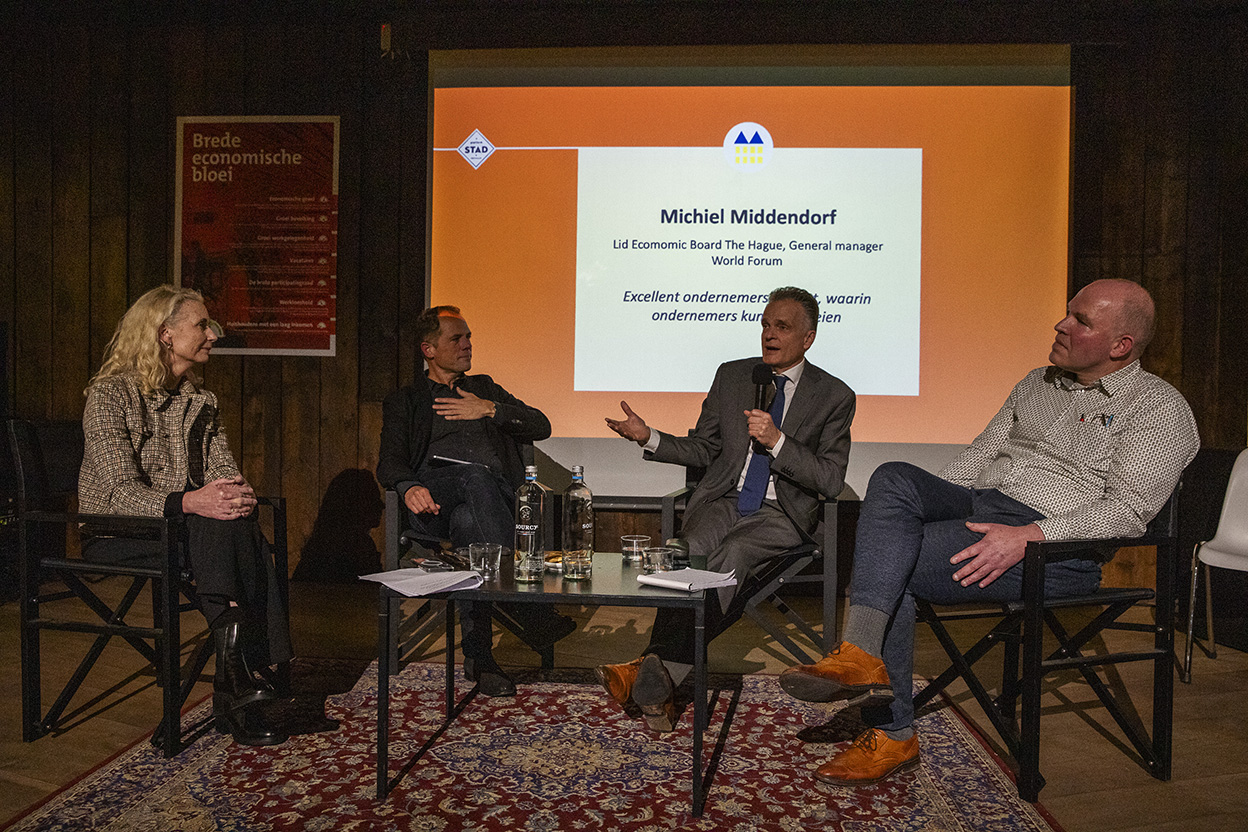
STADgesprek and EBTH Response
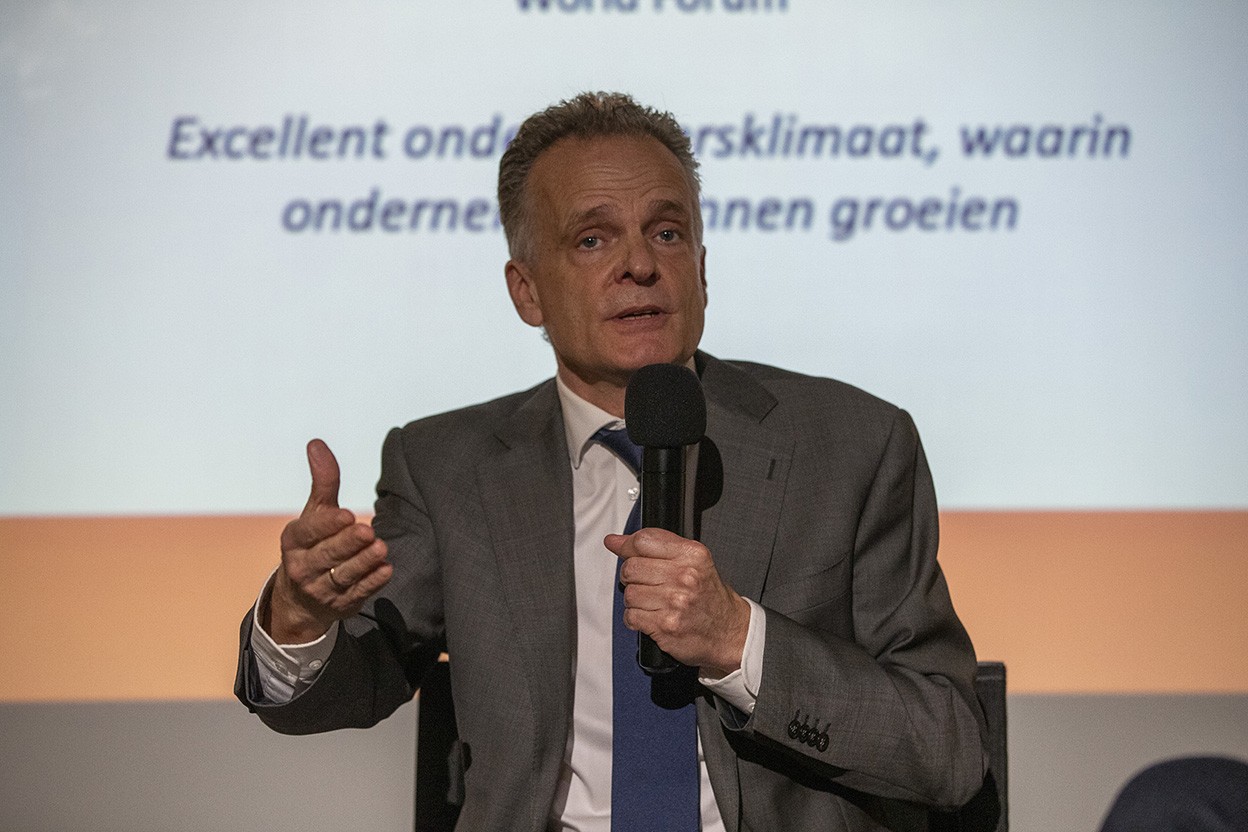
To provide further depth to the monitoring report, Platform STAD organised the STADgesprek on Tuesday 25 November at PAARD. Board member Michiel Middendorf was invited to share his perspective on the report on behalf of the Economic Board The Hague (EBTH).
Several conclusions from the monitoring report align with the priorities of the EBTH, including those outlined in the advisory note for the municipal elections. For instance, The Hague must work towards a labour market with higher-productivity employment. This requires making clear strategic choices about the type of economy the city aims to support: more room for growth sectors with high added value and a strong contribution to broad prosperity, and a more selective approach towards functions that require large amounts of space but generate limited returns.
At the same time, the report underlines the importance of targeted investment in talent development and in an attractive business and living environment. A more productive labour market profile does not emerge automatically; it requires close cooperation with educational institutions and employers to accelerate up- and reskilling, reduce mismatches and support residents in progressing towards jobs with long-term prospects.
The report further shows that economic growth and spatial quality must go hand in hand. Precisely because physical space is scarce, The Hague must focus on more intensive and smarter use of space, including mixed-use development, densification in promising locations and better utilisation of existing business parks. This will strengthen both the city’s competitiveness and its liveability and sustainability.
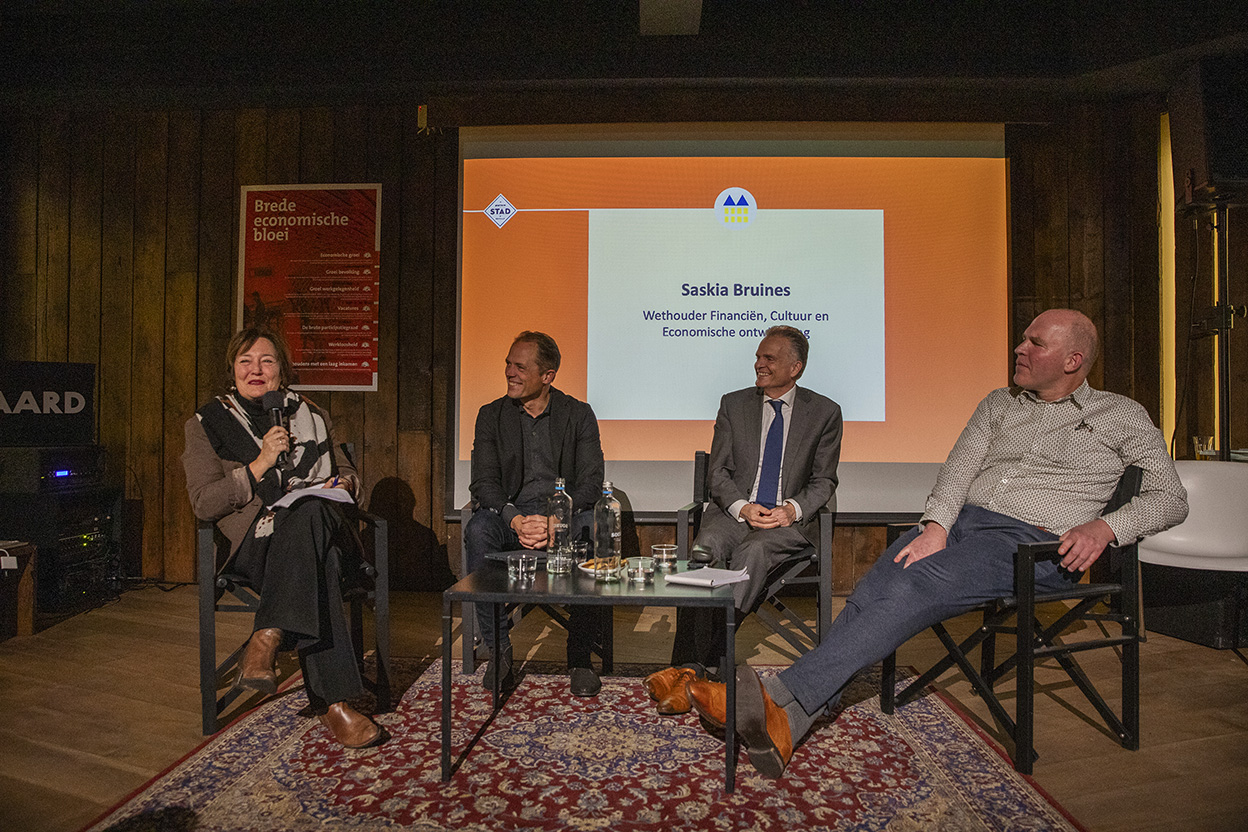
If there is one thing the EBTH embraces, it is exchanging perspectives on issues affecting The Hague. Thank you to Platform STAD and the Municipality of The Hague for this initiative. It was inspiring to enrich each other’s views — Frank van Oort, Leontien Wiering, Lars Crama, Cees-Jan Pen and Deputy Mayor Saskia Bruines.
Photo credits: Marsel Loermans and Platform STAD
